

Key Takeaways:
- Early signs of water intrusion are often subtle, but addressing them promptly prevents costly structural repairs.
- Issues such as damp odours, peeling paint, and wall stains can signal hidden moisture that should not be ignored.
- Cracks and mould growth not only harm property value but can also impact health and indoor air quality.
- Timely professional intervention helps safeguard both residential and commercial properties in Singapore’s climate.
Introduction
Water damage starts off quietly, with subtle changes that are easy to miss. Over time, however, these minor issues can develop into serious waterproofing problems that impact both the safety and comfort of a building. In Singapore’s humid climate and frequent downpours, homes and businesses are particularly vulnerable to moisture seeping into walls, ceilings, and foundations. Recognising the early signs is one of the best ways to prevent costly repairs and protect the long-term value of your property.
In this article, we look at five clear signs of moisture intrusion and why addressing them promptly can prevent more significant structural and financial issues down the road.
1. Persistent Damp or Musty Smells
A damp, musty smell that lingers even after cleaning is often an early warning that moisture has seeped into the building. These odours typically originate from water trapped in concealed areas, such as behind walls, under flooring, or within structural layers. In these hidden spaces, mould can thrive unnoticed, gradually weakening materials and affecting the quality of the indoor environment.
What makes this sign important is that the problem is often invisible to the naked eye. The odour may be the only clue that water intrusion is happening out of sight. If left unaddressed, it can escalate into serious waterproofing problems, resulting in structural damage, increased repair costs, and an unhealthy indoor environment. Acting at the first sign of persistent smells can make all the difference in preventing long-term issues.
2. Peeling Paint or Bubbling Surfaces
When paint begins to bubble, flake, or peel, it is often the result of water creeping beneath the surface. Moisture loosens the bond between the layers of paint, plaster, and the underlying material, creating irregular textures that gradually worsen over time. These blemishes are more than surface-level defects. They can reveal that moisture has penetrated the protective layers of a property and is slowly affecting its structure.
If left unresolved, the affected areas can expand, spreading to adjoining walls or ceilings and weakening the material underneath. This not only impacts the appearance of the space but can also make it more vulnerable to further leaks and deterioration. Addressing the issue early reduces the likelihood of needing more extensive work, such as ceiling leakage repair, and helps maintain both the property’s durability and value.
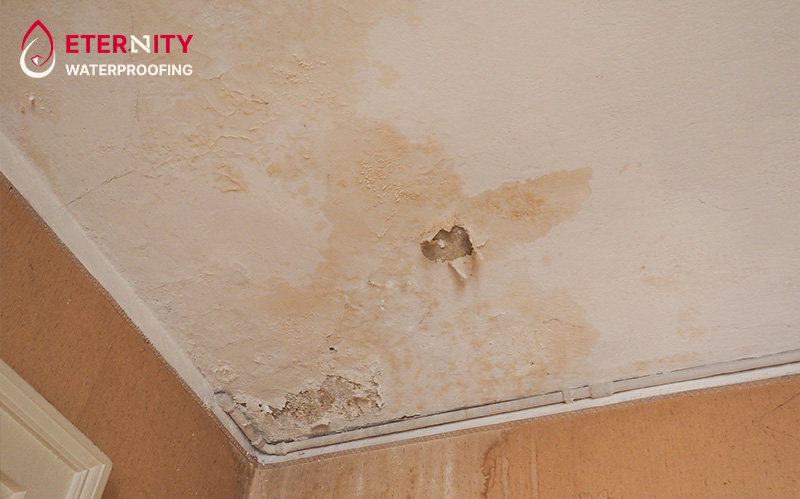
3. Water Stains and Discolouration
Dark, brown, or yellow stains that appear on walls and ceilings are another clear warning. These stains are usually the result of leaks from plumbing, rainfall, or poor sealing. Such marks are strong evidence of water damage on the property, indicating that water has been sitting within the structure over time.
What makes stains concerning is that they rarely remain contained. If ignored, they can spread across surfaces, deepen in colour, and point to more extensive waterproofing problems within the building. Acting quickly by investigating the source and arranging for professional waterproofing services in Singapore helps stop the damage from escalating and reduces the risk of recurring moisture intrusion in the future.
4. Cracks in Walls and Flooring
At first glance, small cracks in walls or flooring may seem like nothing more than minor cosmetic flaws. In reality, they can act as entry points for moisture, allowing water to travel beneath the surface where it gradually weakens the material. Even hairline fractures have the potential to expand when exposed to moisture, leading to more extensive damage over time.
This deterioration is not limited to the property’s appearance. Structural stability can be compromised as cracks widen and spread, making future repairs more complex and costly. When dampness, stains, or leaks are observed alongside these fractures, they often indicate a more severe waterproofing failure. Addressing the issue early with targeted solutions, such as repairing water leaks in walls, helps prevent escalation and preserves the long-term durability of the property.
5. Mould and Mildew Growth
When mould or mildew begins appearing on walls, ceilings, or in corners, it signals that moisture has been present for some time. These organisms thrive in damp, poorly ventilated spaces, and their growth often points to hidden water intrusion that has gone unchecked. The longer they are allowed to spread, the more difficult and costly they become to remove.
Beyond the damage to surfaces, mould raises concerns about indoor air quality. Prolonged exposure can aggravate allergies and cause respiratory discomfort, making it as much a health issue as a maintenance one. Because mould is often a visible symptom of underlying waterproofing problems, addressing the root cause quickly is essential. Doing so helps limit structural damage, prevents recurring outbreaks, and creates a safer, healthier environment for those using the space.
Conclusion
From cracks and stains to odours and mould, these seven signs all point to one underlying issue: water is making its way into places it should not. Ignoring such waterproofing problems can lead to escalating repair costs, structural deterioration, and health concerns over time. In Singapore’s wet and humid conditions, moisture intrusion is a constant risk, but timely intervention can prevent it from becoming a long-term burden. Professional waterproofing provides lasting protection by sealing leaks and strengthening barriers against future damage.
If you have noticed any of these warning signs, it is best not to wait until the damage worsens. Contact Eternity Waterproofing today to arrange a consultation with our team. Taking action now will help safeguard the safety, durability, and overall value of your property for years to come.


 Eternity Waterproofing