

Introduction
Waterproofing is one of those essential parts of a building that people rarely think about until a problem appears. A small, damp patch on the wall or a faint watermark near the ceiling may seem harmless at first, but these early signs often indicate a deeper issue that is slowly developing out of sight. Over time, that hidden moisture can quietly affect the safety, comfort, and overall value of your property.
Neglecting timely maintenance often leads to waterproofing damage that goes beyond cosmetic flaws. When water seeps into the structural layers, it can weaken the concrete, corrode the steel reinforcements, and form hidden cavities that reduce stability. Indoors, trapped moisture in walls and ceilings creates the perfect conditions for mould, musty odours, and potential health problems that impact those who live or work inside.
Whether it is a family home, an office, or an industrial site, overlooking waterproofing can turn minor issues into major expenses. This article takes a closer look at the true cost of neglect, exploring how waterproofing damage affects structural integrity, indoor health, and repair costs, and why taking early action is one of the most effective ways to prevent long-term problems.
Key Takeaways:
- Water intrusion can weaken concrete, corrode reinforcements, and cause cracks or sagging ceilings that compromise a building’s safety.
- Persistent dampness and mould growth can negatively impact indoor air quality, leading to respiratory issues and allergies among occupants.
- Delaying maintenance often turns small leaks into large-scale repairs that involve high costs, disruption, and possible downtime.
- Taking early action through professional waterproofing helps prevent long-term damage, protect property value, and maintain a safe and comfortable environment.
The Structural Toll of Waterproofing Damage
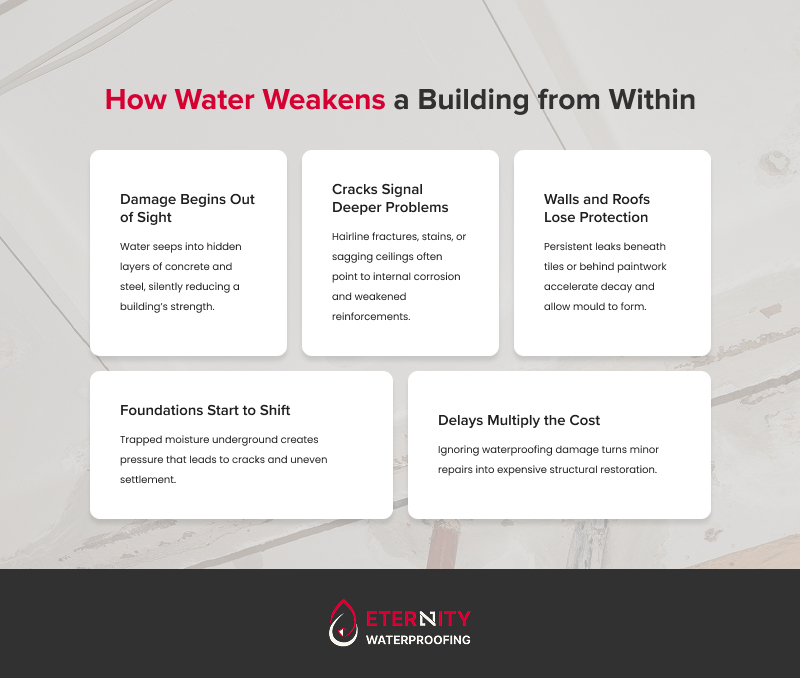
When water seeps into a building’s structure, the damage often goes much deeper than what meets the eye. Waterproofing damage can compromise the very framework that keeps a property sound and secure. Over time, trapped moisture weakens concrete, corrodes steel reinforcements, and gradually erodes the strength of roofs, walls, and foundations. Recognising how these problems develop helps property owners understand why early intervention is crucial before a small leak turns into a severe structural failure.
How Water Intrusion Weakens Building Integrity
One of the most serious effects of waterproofing damage is the gradual weakening of a building’s structural framework. When water seeps through cracks, joints, or porous surfaces, it slowly moves into the concrete and reaches the steel reinforcements within. Continuous exposure to moisture causes corrosion, expansion, and internal cracking, all of which reduce the strength of key load-bearing elements.
Cracks, surface spalling, and sagging ceilings are among the first visible signs that something is wrong. Although these issues may appear minor at first, they often point to deeper corrosion or hollowing within concrete slabs. In severe cases, ignoring timely water leakage repair can cause plaster to detach from ceilings or walls, creating potential safety risks for occupants.
Across Singapore, many property owners have learned how prolonged waterproofing damage in both high-rise and landed buildings can escalate into serious structural problems. A small roof leak, for example, may allow moisture to travel along beam junctions, rusting reinforcements and weakening the slab above. In commercial or industrial facilities, such damage often leads to repeated maintenance cycles that could have been avoided through prompt inspection and proper concrete roof waterproofing.
Recognising these early warning signs is crucial to maintaining the structural integrity of the building and preventing costly restoration later on.
TheHidden Impact on Walls, Roofs, and Foundations
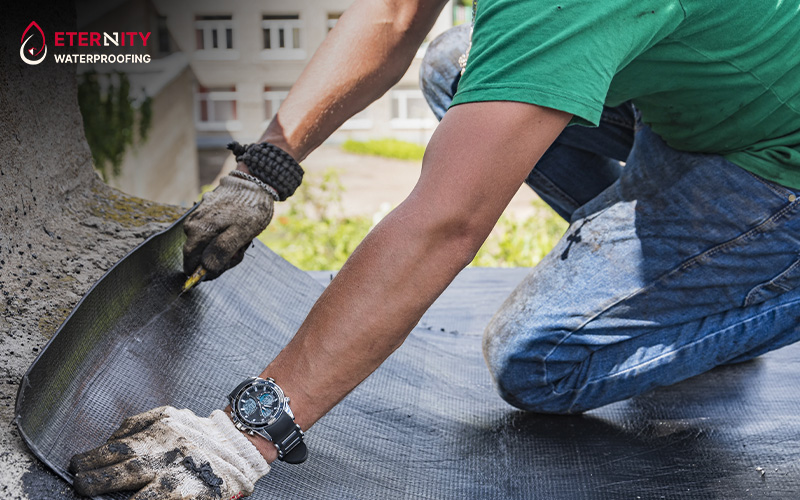
Beyond visible cracks or stains, waterproofing damage often spreads unnoticed through a building’s walls, roofs, and foundations. Roofs are particularly vulnerable to long-term deterioration when drainage systems clog or membrane seals break down. Without proper waterproofing for roof tiles, moisture can slip beneath the surface, loosening adhesives and creating recurring roof seepage issues with every heavy rainfall.
Walls exposed to constant moisture gradually absorb water like a sponge, leading to damp patches, bubbling paint, and efflorescence. These signs not only reduce the building’s visual appeal but also weaken the internal structure over time. When left unattended, wall leakage repair becomes more complicated, as trapped moisture encourages fungal growth and internal decay that affects both durability and indoor hygiene. Persistent waterproofing damage in these areas can also accelerate mould growth, creating poor air quality and a higher risk of structural degradation.
Foundations face even greater risks. Water accumulating underground places continuous pressure on base structures, forming hairline fractures that may widen into visible foundation cracks. Once the foundation begins to shift, the building’s load distribution is affected, increasing the chance of uneven settlement and long-term instability. Regular inspections and professional waterproofing services in Singapore are crucial for safeguarding these areas and preserving the structural integrity of any property.

The Escalating Financial Burden of Neglected Repairs
Ignoring the early signs of waterproofing damage rarely saves money in the long run. What starts as a small leak that could have been fixed with simple sealing or coating can quickly develop into widespread corrosion and concrete deterioration. The longer moisture remains unchecked, the more extensive and expensive the restoration process becomes.
Direct costs often include structural reinforcement, re-plastering, repainting, and repairing spalling concrete in the ceiling, which can add up to thousands of dollars. Indirect costs can be even more disruptive. Businesses may experience downtime during repairs, while homeowners might need to relocate temporarily for safety reasons. In industrial facilities, machinery and stored inventory are also vulnerable to humidity, corrosion, and mould-related issues.
Comparative studies consistently show that preventive waterproofing and regular maintenance cost only a fraction of the cost of full-scale structural rehabilitation. Persistent waterproofing damage can strain operational budgets and reduce property value if left unresolved. Engaging a reputable waterproofing company in Singapore helps minimise long-term expenses, extend the life of your building, and maintain a safe, stable environment for occupants. Over time, proactive maintenance remains the most cost-effective way to protect both your property and your peace of mind.
The Human and Financial Consequences
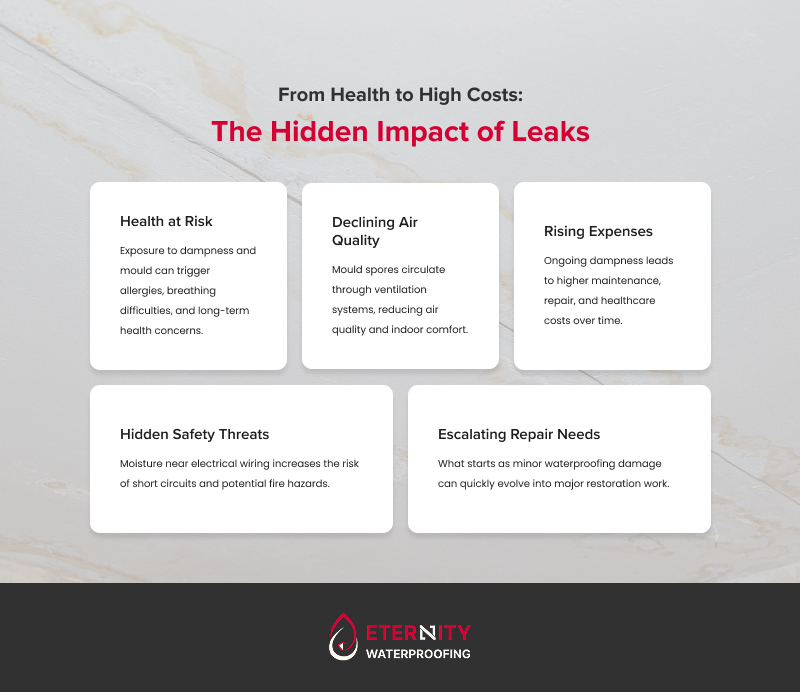
The impact of waterproofing damage extends far beyond visible wear and tear. When water intrusion is left unchecked, it affects not only the building’s structure but also the health and comfort of those who live or work inside. Persistent dampness encourages mould growth, reduces air quality, and gradually drives up maintenance costs over time.
Understanding these consequences underscores that waterproofing is more than just a routine maintenance measure. It is a long-term investment in safety, health, and financial stability. Taking preventive steps early helps protect both the physical structure of the property and the well-being of the people who depend on it every day.
Health Risks from Damp and Mould Growth
Persistent moisture creates ideal conditions for mould, mildew, and bacteria to thrive. As these organisms spread, they release microscopic spores into the air that can irritate the lungs and trigger allergic reactions. Many occupants experience recurring coughs, sinus congestion, or skin irritation, while individuals with asthma or weaker immune systems may find their symptoms worsening in damp environments.
In homes, families often underestimate the impact of damp and mould problems on their overall well-being. Mould that grows behind walls, beneath flooring, or inside air-conditioning ducts can easily circulate through the home, causing discomfort and long-term health concerns. In workplaces, poor air quality from hidden mould growth can lower employee productivity and increase absenteeism, leading to indirect financial losses.
Research has shown that prolonged exposure to mould-contaminated indoor air contributes to higher healthcare costs and a lower quality of life. Addressing waterproofing damage early not only prevents deterioration of the building but also helps maintain clean, healthy air indoors. A dry, well-maintained environment supports better health, comfort, and productivity for everyone inside.
Repair Expenses Beyond the Obvious
The financial effects of neglected waterproofing damage go well beyond simple wall patching or repainting. When water seeps into interior spaces, it can reach electrical wiring, insulation, and other concealed components that are costly and complicated to replace. Moisture near power points or lighting fixtures also poses real safety risks, increasing the likelihood of short circuits or even electrical fires.
Beyond safety hazards, water exposure can damage flooring materials, wooden furniture, and decorative finishes. Carpets, wallpaper, and built-in cabinetry absorb moisture easily, often leading to permanent staining or warping that requires full replacement. Even minor roof seepage can compromise ceiling panels, lighting systems, and paintwork, turning what started as a small leak into an extensive interior restoration project.
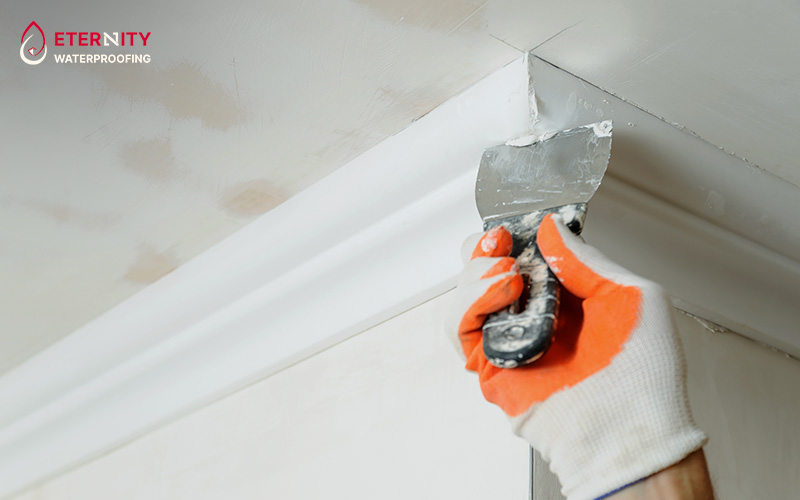
These layers of damage can quickly exceed the cost of early ceiling leakage repair or preventive maintenance. Property owners who postpone repairs often face the challenge of managing multiple restoration projects simultaneously, from electrical rewiring to mould remediation. In many cases, prompt action and professional waterproofing not only reduce costs but also restore long-term safety and peace of mind.
Conclusion
The true cost of neglecting waterproofing reaches far beyond surface stains or peeling paint. It affects the very core of a property’s strength, safety, and comfort. Every case of waterproofing damage that goes unnoticed can gradually weaken the structure, raise long-term repair costs, and compromise the health of those living or working inside.
Recognising early warning signs such as damp odours, wall discolouration, or ceiling stains allows property owners to take timely steps before problems worsen. Acting early safeguards structural stability, preserves indoor air quality, and prevents costly deterioration. In Singapore’s humid climate, regular maintenance remains one of the most effective ways to stop waterproofing damage from spreading into walls, ceilings, and foundations.
Eternity Waterproofing provides customised solutions to address these challenges. With deep knowledge of local building conditions and materials, the team helps homeowners, facility managers, and businesses protect their properties from long-term water intrusion. Each project focuses on pinpointing the source of the issue and providing lasting, reliable repairs.
Schedule a professional inspection with us today. Our team will assess your property, identify early signs of waterproofing damage, and recommend targeted solutions to keep your building secure, dry, and protected for years to come.
Questions You Might Have
Is mould growth always linked to waterproofing issues?
Mould usually thrives wherever moisture remains trapped for extended periods. While poor ventilation, condensation, or plumbing leaks can contribute, unresolved waterproofing damage is one of the most common root causes. This is particularly true in moisture-prone spaces such as bathrooms, basements, balconies, and exterior-facing walls. When waterproofing fails, water seeps into concrete and wall layers, creating the perfect environment for mould and mildew to grow. Addressing the underlying moisture source early helps stop mould from recurring, protects indoor air quality, and prevents long-term health risks.
Can minor ceiling stains really point to structural danger?
Yes. What may seem like a small, harmless patch of discolouration often signals deeper seepage within concrete or steel reinforcement layers. As water continues to penetrate, trapped moisture leads to corrosion, cracks, and sometimes spalling, where pieces of concrete break away. Ignoring these stains can allow the problem to spread beyond the surface. If marks keep returning even after cleaning or repainting, it is best to schedule a professional inspection to locate the source before it weakens the structure further.
Why does waterproofing neglect cost more in the long run?
Early waterproofing work typically involves minor sealing, coating, or touch-up repairs that are relatively affordable. Once waterproofing damage progresses, however, the problem becomes far more complex. Weakened materials, rusted reinforcements, and mould contamination can expand the scope of repairs to include concrete replacement, structural reinforcement, and full remediation. Delaying action also means longer downtime and greater inconvenience for occupants or businesses. Over time, the financial impact of neglect often far exceeds the cost of timely maintenance.
Are certain buildings more at risk than others?
Older buildings, high-rise properties, and structures exposed to heavy rainfall or coastal humidity are particularly susceptible to waterproofing damage. Buildings with ageing materials or inadequate drainage are also at higher risk. However, any property without consistent waterproofing protection can experience similar issues as materials deteriorate over time. Regular inspections and professional assessments are crucial for identifying early warning signs, uncovering hidden weaknesses, and preventing minor leaks from escalating into costly structural repairs.


 Eternity Waterproofing