

Why Waterproofing Is Critical in Singapore
Singapore’s tropical weather, characterised by heavy rain, high humidity, and year-round heat, makes waterproofing an essential part of property maintenance. It is not just about keeping walls and ceilings clean but about protecting a building’s structure. When moisture seeps through unprotected surfaces, it can lead to mould, peeling paint, spalling concrete, and even weakened foundations. Over time, these problems affect both safety and comfort, often requiring repairs for wall or ceiling leakage to rectify the issue.
That is why many property owners turn to DIY waterproofing, drawn by the promise of quick, affordable fixes. With ready-made sealants and online tutorials readily available, it can seem simple enough to do at home. However, most DIY waterproofing mistakes stem from using the wrong materials, overlooking hidden damage, or failing to address the actual source of the leak. The result is a temporary patch that soon fails, causing the same problems to return, sometimes worse than before.
In this guide, we look at the common pitfalls of DIY waterproofing and why professional solutions offer longer-lasting results. You will also learn how to identify when a small leak needs expert attention and how professional waterproofing services help protect your property from the country’s demanding climate. Whether for homes, offices, or commercial spaces, reliable home waterproofing solutions ensure long-term durability, lower repair costs, and lasting peace of mind.
Key Takeaways:
- Quick fixes may provide short-term relief but often fail to address the actual source of water seepage.
- Professional assessments ensure accurate diagnosis, preventing recurring leaks and structural damage.
- The right materials and application methods help surfaces withstand Singapore’s heat, humidity, and rainfall.
- Investing in proper waterproofing protects both property value and the comfort of those living or working within it.
DIY Waterproofing – Risks and Pitfalls
DIY waterproofing may seem like a quick way to handle minor leaks or damp walls, but it often creates more problems than it solves. Many property owners underestimate how complex waterproofing really is, overlooking the importance of surface preparation, material compatibility, and climate conditions. What appears to be a simple fix can lead to recurring leaks, hidden damage, and costly repairs later on. This section explains the hidden risks of doing it yourself and why short-term solutions rarely deliver lasting results.
The DIY Mindset in Singapore
For many property owners in Singapore, DIY appears to be an easy way to save money. A quick trip to the hardware store and a few hours of work often seem more convenient than hiring a professional. However, this mindset usually focuses on short-term savings rather than long-term protection.
The “quick patch” approach, where owners seal visible cracks or apply waterproof paint, may offer temporary relief but rarely addresses the actual cause of water seepage. Effective waterproofing begins with identifying the sources of moisture and understanding how it moves through the structure. Without this understanding, even the best off-the-shelf products are likely to fail prematurely.
Another common assumption is that if a certain DIY waterproofing method worked for someone else, it will work the same way for their own property. The reality is that no two buildings are alike. HDB flats, condominiums, landed homes, and commercial spaces differ in design, materials, and exposure to weather. A fix that works on a small bathroom wall might fail on a concrete roof or basement exposed to hydrostatic pressure.
Over time, these differences become clear when damp patches, wall stains, or ceiling leaks reappear despite multiple attempts at repair. Recognising these variations helps prevent repeated DIY waterproofing mistakes that often end up costing more than hiring a professional service from the start.
Common DIY Mistakes That Lead to Failure
Many DIY attempts fail because they focus on surface appearance rather than the real cause of water seepage. Using the wrong sealants, skipping proper surface preparation, or applying products in the wrong conditions are all common errors. These mistakes often lead to peeling coatings, trapped moisture, and recurring leaks. Over time, what starts as a quick fix can become a costly repair that could have been avoided with professional help.
Poor Surface Preparation
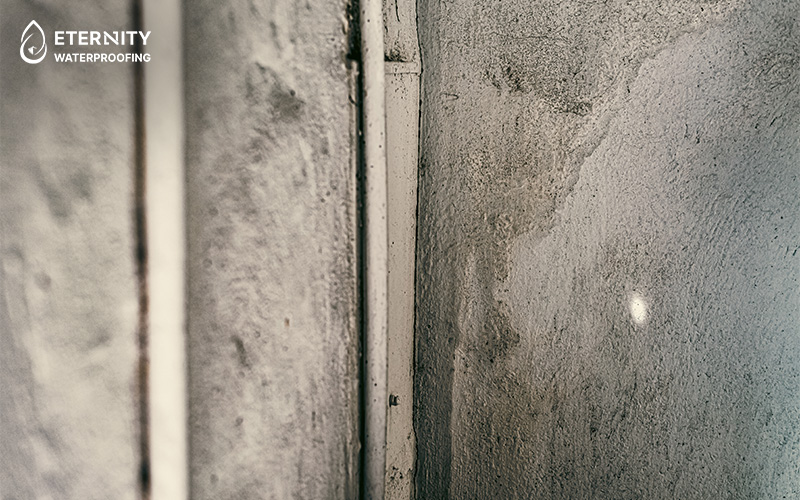
One of the most common reasons DIY waterproofing fails is poor surface preparation. Many people apply coatings on damp, dirty, or mouldy areas, assuming a thick layer of paint or sealant will cover the issue. In reality, trapped moisture weakens adhesion and causes membranes to peel or bubble within weeks.
Skipping the priming stage or overlooking surface compatibility makes matters worse. Different coatings bond to materials such as concrete, brick, or tile in varying ways. When these factors are ignored, water can easily seep back in, undoing all the effort put into the job.
Using the Wrong Materials
Not all sealants are suitable for every surface. Products meant for indoor use often lack the UV and heat resistance needed for outdoor areas. Similarly, “waterproof paints” only coat the surface and cannot withstand the water pressure that pushes through concrete in basements or flat roofs.
Hardware store caulking may work for small gaps, but it is not designed for long-term waterproofing. Over time, Singapore’s heat and rain cause these materials to dry out, shrink, and crack, allowing leaks to return.
Ignoring Hidden Water Pathways
Another reason DIY waterproofing fails is that it usually targets only what can be seen. Leaks often spread through hidden routes such as wall capillaries, roof junctions, or condensation from air-conditioning ducts and bathrooms. Moisture continues to travel quietly behind walls and ceilings until it surfaces elsewhere, by which time the damage is already done.
Short Lifespan of DIY Fixes
Even when applied correctly, most DIY coatings last only one rainy season before breaking down. Constant reapplication quickly becomes time-consuming and costly. Over several years, these repeated efforts often cost more than engaging professional waterproofing services that provide lasting results.
Overconfidence After Small Wins
It is easy to feel accomplished after sealing a crack or stopping a small leak, but these quick fixes often hide a larger problem. Water may still be seeping behind walls or floors, slowly weakening the structure. By the time the damage becomes visible again, repairs are usually more extensive and expensive.
Risks Specific to Singapore’s Humid Climate
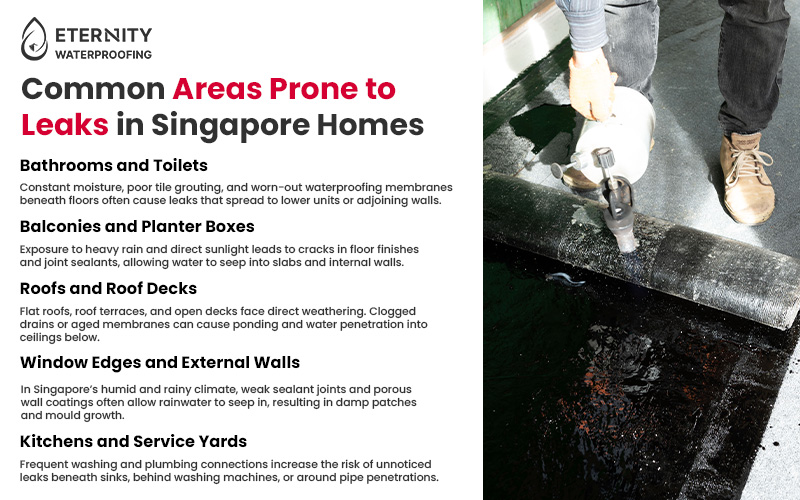
In Singapore’s hot and humid weather, DIY waterproofing solutions often don’t last long. Constant rain and heat cause coatings to crack or peel, allowing moisture to seep through again. This usually leads to mould, damp patches, and concrete damage. Professional waterproofing services use tougher materials made for these conditions, keeping homes and buildings protected for much longer.
Accelerated Mould and Fungal Growth
In Singapore’s humid climate, even a small leak can lead to mould and mildew. These fungi thrive in damp environments, spreading rapidly and releasing spores that impact indoor air quality. Over time, mould can stain walls, create musty smells, and cause discomfort or breathing issues for those living or working in the space.
Concrete Spalling in Older Buildings
Concrete spalling is a common problem in older HDB flats and condominiums. When moisture seeps into concrete and reaches the steel reinforcement bars, the metal rusts and expands, forcing cracks to appear. If left untreated, pieces of concrete can loosen and fall, posing safety risks. Prompt spalling concrete repair helps prevent further damage and maintains the building’s structural integrity.
Extreme Rainfall Events
Heavy downpours in Singapore can overwhelm weak or temporary waterproofing layers. Water collects on roofs, balconies, and walls, then forces its way through joints or cracks. Poorly sealed areas cannot handle the water pressure, leading to leaks that damage ceilings, electrical fittings, and furniture.
Heat and UV Degradation
Constant exposure to sunlight and heat causes DIY waterproofing products to wear out faster than expected. Sealants often soften, crack, or peel within months, especially on outdoor surfaces. Even products that claim to last for years tend to fail quickly under Singapore’s harsh conditions.
Financial and Health Risks
Frequent repairs and reapplications can add up over time. The cost of temporary fixes, damaged surfaces, and repeated maintenance often exceeds the cost of hiring a water leakage specialist for a lasting solution. Damp interiors also increase the risk of mould-related health issues such as allergies and asthma, particularly in children and the elderly.
Recognising these risks early helps property owners make better decisions. Instead of repeatedly patching leaks, investing in proper home waterproofing solutions and reliable leakage repair keeps your property dry, safe, and in good condition for years to come.
The Professional Advantage
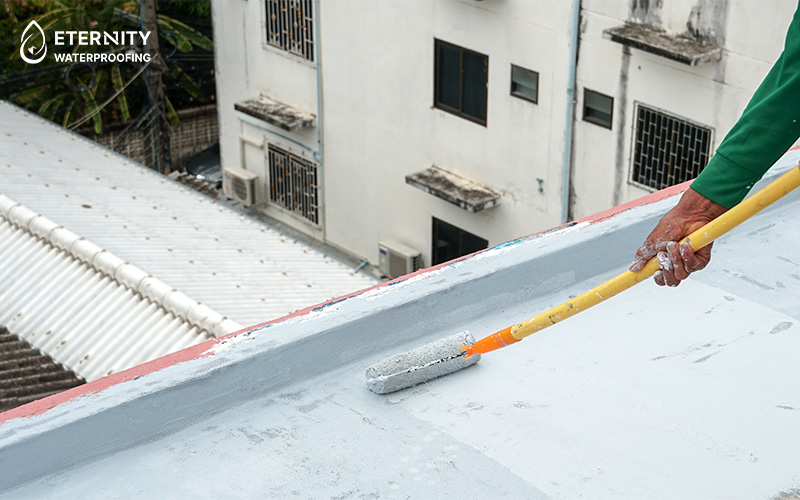
DIY waterproofing may offer quick relief, but professional work provides the depth and reliability needed for lasting protection. Trained specialists can identify the true source of leaks, select the appropriate materials for each surface, and apply proven methods that withstand Singapore’s challenging climate.
Expertise and Diagnostic Tools
When it comes to solving leaks effectively, professional expertise makes a clear difference. DIY waterproofing typically focuses on visible issues such as cracks, damp spots, or stains, whereas professionals delve deeper to identify the actual source of water intrusion. This thorough assessment covers every layer, from the surface to the structure, ensuring the issue is treated at its root.
At Eternity Waterproofing, specialists use advanced diagnostic tools to detect what the eye cannot see. Moisture meters, thermal imaging cameras, crack gauges, and leak-tracing systems help locate hidden dampness within walls, ceilings, and floors. These insights reveal where moisture is entering and how it spreads through the building.
Rather than covering up symptoms, professional teams work to prevent future leaks. By understanding how water moves through materials, they apply targeted methods that keep moisture out for the long term. This approach sets professional waterproofing services apart from the short-lived results of DIY waterproofing fixes.
Professional-Grade Materials and Methods
A significant reason DIY waterproofing often fails is the quality of materials used. Retail sealants and paints are made for convenience, not long-term protection. Professional contractors, on the other hand, use industrial-grade systems designed to bond securely, resist UV damage, and withstand water pressure. Here, we explore the specialised materials and methods that make professional solutions far more resilient and suited to Singapore’s weather conditions.
Advanced Systems Used by Experts
Professional waterproofing contractors utilise high-performance materials specifically designed to meet the unique needs of each area. Each system is chosen for its strength, durability, and ability to protect different parts of a building:
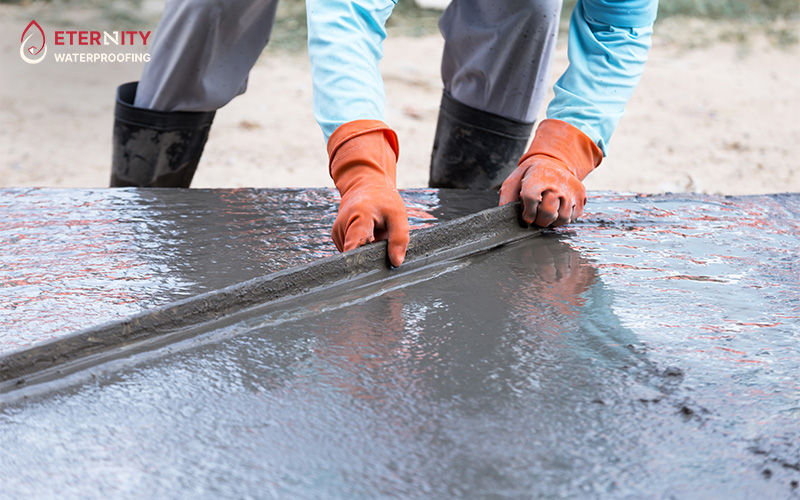
- Cementitious waterproofing is commonly applied in bathrooms, kitchens, and balconies. It forms a dense, watertight coating that bonds tightly to concrete surfaces.
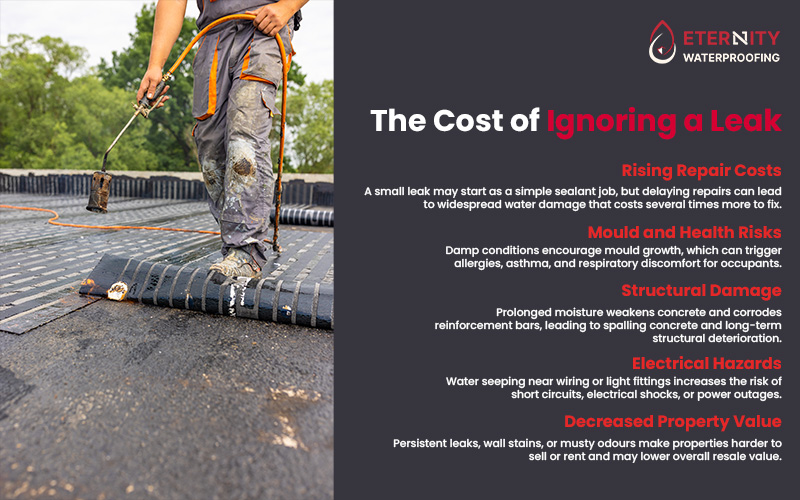
- Torch-applied membranes are ideal for flat roofs and open decks, creating strong, weather-resistant barriers that withstand constant exposure to rain and sunlight.
- Crystalline admixtures are mixed into concrete during construction or repair. They react chemically within the material to seal pores and cracks, making them particularly effective for basements and retaining walls.
- Polyurethane (PU) injection is used to seal active leaks in cracks and joints. The material expands within voids to block water entry without the need for hacking or demolition.
Why They Outperform DIY
Professional-grade materials outperform DIY waterproofing products because they are designed for long-term use and tailored to various surfaces, including tiles, concrete, and facades. Their lifespan typically ranges from five to fifteen years, depending on the system and exposure conditions.
These materials are also tested for Singapore’s demanding weather. Constant heat, humidity, and UV exposure can cause most DIY coatings to deteriorate quickly, but professional systems remain stable under these conditions. When installed by a qualified waterproofing specialist, they provide consistent performance and lasting protection that simple quick fixes cannot match.
Long-Term Benefits of Professional Waterproofing
Choosing professional waterproofing over DIY waterproofing is not just about fixing a leak. It is about protecting your property for the long term. Proper waterproofing not only stops water ingress but also improves structural safety, ensures compliance with regulations, and helps maintain property value.
Cost Efficiency
Although DIY waterproofing may seem cost-effective at first, it often leads to repeated expenses over time. Each attempt to patch, repaint, or reseal adds up, especially when leaks keep returning. A professional repair, on the other hand, provides a durable solution that helps prevent recurring problems.
Professional waterproofing services also come with warranties, giving property owners assurance that any future issues will be addressed without additional costs. What may appear to be a higher upfront investment often proves to be a more economical choice in the long run.
Compliance and Safety
Waterproofing work, particularly on roofs and balconies, involves handling chemicals, heat, and pressurised tools. Professionals are trained to work safely while complying with Building and Construction Authority (BCA) standards. These safety measures prevent accidents such as inhaling fumes, chemical burns, or fire risks during torch membrane applications; hazards that untrained individuals may not anticipate.
Hiring qualified contractors also ensures that all materials and techniques meet local building regulations. This is especially important for commercial properties, condominiums, and HDB flats undergoing maintenance or renovation.
Preserving Structural Integrity
Beyond improving appearance, professional waterproofing protects the structure of a building. Prolonged exposure to moisture can cause spalling of concrete, rusting of reinforcement bars, and weakening of walls. These problems not only affect safety but also reduce property value. By thoroughly resolving leaks, professionals help extend the building’s lifespan and maintain its condition, which is crucial in Singapore’s competitive property market.
Case Study Example
A homeowner once tried DIY waterproofing on a balcony using store-bought sealants and paint. Within six months, the patch failed, and water began seeping into the living room below. After several attempts to fix it, the homeowner turned to Eternity Waterproofing for a permanent solution.
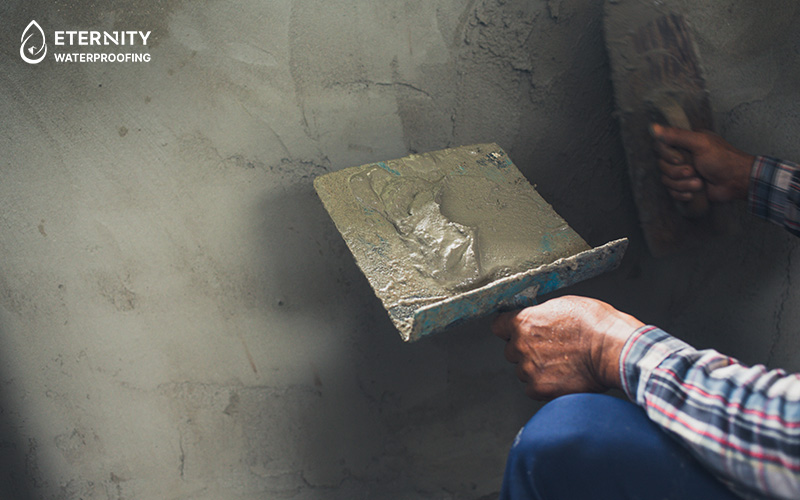
Using diagnostic tools, the team identified hidden cracks and sealed them using polyurethane injections before reinforcing the area with a durable membrane system. The repair came with a 10-year leak-free guarantee, giving the homeowner confidence that the problem was finally solved.
This example shows the key difference between a quick patch and a professional repair. One provides temporary relief, while the other restores and protects the property for years to come.
Conclusion
At first, DIY waterproofing may seem like an easy, cost-saving way to handle small leaks or damp areas. However, Singapore’s humid climate makes it difficult for these fixes to last. Poor surface preparation, the use of unsuitable sealants, and hidden moisture paths often lead to recurring leaks and higher repair costs over time.
Professional waterproofing offers a more dependable and long-term solution. With the right expertise, diagnostic tools, and high-quality materials, professionals can accurately identify the root cause of leaks and prevent them from recurring. This results in lasting protection, improved structural safety, and better overall cost efficiency compared to short-term patching.
At Eternity Waterproofing, we conduct thorough inspections and utilise proven systems specifically designed for Singapore’s climate. From concrete roofs to interior walls, our tailored solutions help keep your property dry, strong, and protected for years to come.
Protect your home or business today. Preserve its structure, maintain a healthy indoor environment, and secure long-term value. Contact our team today to arrange a free property inspection.
Questions You Might Have
1. How do I know if a leak needs DIY patching or a professional inspection?
If the issue is minor and surface-level, such as a hairline crack or slight moisture near a window, a simple DIY waterproofing patch may provide temporary relief. However, if damp spots keep returning after rain or you notice bubbling paint, mould odours, or ceiling stains, the problem is likely deeper. These are signs of water seeping behind walls or concrete, which should be inspected by a professional before it worsens.
2. What are the early signs that waterproofing has failed?
Peeling paint, white powdery residue (efflorescence), swollen skirting boards, or lifting laminate flooring often indicate the presence of trapped moisture. A musty smell, ceiling stains, or widening cracks after rain are also common signs. When these appear, it usually means water has already breached the surface and may cause further damage if left untreated.
3. Why do DIY coatings often fail after one rainy season in Singapore?
Singapore’s humid climate makes waterproofing tricky. High moisture levels stop coatings from curing properly, while heat and UV exposure cause cheaper products to crack or peel. Many DIY attempts also fail because surfaces are not cleaned or dried before application, or the wrong materials are used. Hidden gaps around joints, pipes, and walls often let water bypass the patch, causing leaks to return soon after.


 Eternity Waterproofing